
oval backlit mirror
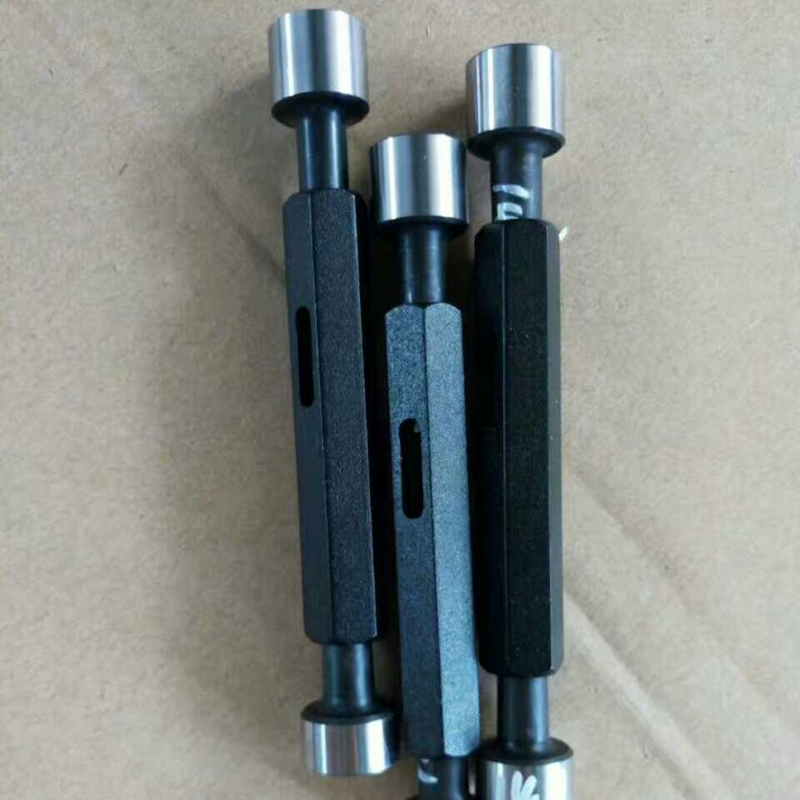
Understanding Plug Ring Gauges An Essential Tool in Precision Measurement In the realm of precision engineering, the plug ring gauge stands out as a vital instrument for ensuring the accuracy and quality of manufactured components. This tool is fundamental for measuring the inner dimensions of holes, ensuring they conform to specific tolerances and standards. With a unique design and specific functionality, plug ring gauges play a crucial role in various industries, including automotive, aerospace, and manufacturing. What is a Plug Ring Gauge? A plug ring gauge is typically cylindrical and designed to fit precisely into the inner diameter of a hole. It serves two primary functions to check for the correct size and to assess the roundness and alignment of the hole. Unlike other measuring tools, plug gauges do not measure the dimensions directly but rather confirm whether the hole meets a predetermined specification. They are often available in various sizes and tolerances, allowing engineers to select the appropriate gauge for their specific requirements. The Importance of Precision Measurement Precision measurement is critical in manufacturing processes where components must fit together seamlessly. A minor deviation in size can lead to malfunctioning parts, increased wear, or even complete failures. This is where plug ring gauges come into play. By utilizing these gauges, manufacturers can ensure that each component meets strict quality standards, minimizing the risk of errors during assembly. This not only enhances the performance of the final product but also reduces costs associated with rework and material waste. plug ring gauge Types of Plug Ring Gauges There are generally two types of plug ring gauges the go gauge and the no-go gauge. The go gauge is designed to fit into the hole if it is within the specified limits, while the no-go gauge will not fit if the hole exceeds the maximum limit. Using both gauges in conjunction allows engineers to quickly determine whether a hole is within specification. The combination of these gauges helps ensure a comprehensive assessment of the hole’s dimensions. Applications and Industries Plug ring gauges are widely used in various industries, particularly where high precision is paramount. In the automotive sector, for instance, these gauges are critical in ensuring that engine components fit together correctly. In aerospace, they help maintain the safety and reliability of aircraft by ensuring that all components meet exact specifications. Furthermore, in manufacturing, plug ring gauges are used to check the dimensions of parts produced through various processes, including machining and casting. Conclusion In conclusion, the plug ring gauge is an indispensable tool in the precision engineering toolbox. Its role in ensuring the accuracy of manufactured components cannot be overstated. As industries continue to demand higher levels of precision, the reliance on tools like plug ring gauges will only increase. By investing in quality gauges and adhering to strict measurement protocols, manufacturers can assure the quality and reliability of their products, ultimately leading to greater customer satisfaction and trust. Whether in a production line or a quality control lab, plug ring gauges are essential for maintaining the high standards expected in today’s manufacturing environment.
about
oval backlit mirror
Understanding Differential Gauge A Comprehensive Overview A differential gauge is a vital instrument commonly used in various industrial applications, measuring the difference in pressure between two points in a system. This pragmatic device plays a crucial role in ensuring operational efficiency, safety, and optimal performance across numerous sectors, including manufacturing, HVAC (heating, ventilation, and air conditioning), and automotive industries. At its core, a differential gauge works by comparing two separate pressure inputs and displaying the difference on a calibrated scale. This functionality makes it especially useful for applications that require precise pressure management, such as monitoring fluid flow in pipelines, assessing air pressure in pneumatic systems, or evaluating the performance of filters and other equipment that may cause pressure drops. The construction of a differential gauge typically features a set of two pressure ports, enabling it to receive inputs from two distinct points. These ports are connected to a sensing element, usually a diaphragm or a Bourdon tube . When pressure is applied to the sensing element, it deforms in response to the pressure differential between the two ports. This deformation is then translated into a mechanical movement that drives an indicating needle or activates a digital display, showcasing the differential pressure values. differential gauge One of the pivotal advantages of differential gauges is their ability to detect minor pressure differences that might go unnoticed with a standard gauge. This capability is crucial in various systems, such as monitoring filter performance where even slight changes can indicate a blockage or degradation in filter efficiency. Consequently, utilizing a differential gauge allows for proactive maintenance and timely interventions, minimizing system downtime and extending equipment lifespan. In addition to industrial applications, differential gauges are instrumental in laboratory settings, such as in scientific research and development. Here, they assist researchers in applying precise pressure differentials to conduct experiments that require stringent control over environmental conditions. Similarly, in the semiconductor manufacturing process, differential gauges help ensure that pressure differentials within fabrication equipment remain within specified limits for optimal product quality. Differential gauges come in various types, including mechanical and electronic versions. Mechanical differential gauges utilize traditional dial and needle mechanisms, while electronic variants often come equipped with digital displays and advanced features like data logging and wireless connectivity. This evolution in technology has enhanced the accuracy and functionality of these instruments, making them increasingly user-friendly and versatile. In summary, differential gauges are indispensable tools in modern industrial and laboratory environments. By accurately measuring pressure differentials, they enable operators to monitor systems effectively, identify potential issues early, and ensure optimal functioning of equipment. As industries continue to advance and evolve, the importance of precision measurement instruments like differential gauges will only grow, cementing their value in ensuring safety, efficiency, and reliability across various applications. Whether in a factory, laboratory, or HVAC system, the differential gauge remains a key component in the pursuit of excellence and productivity.
-

High quality industrial productsagement

High quality industrial products
View Details -

Meet the diverse needs of customers

Meet the diverse needs of customers
View Details -

Strict quality control

Strict quality control
View Details -

Top raw materials

Top raw materials
View Details -

Trusted supplier

Trusted supplier
View Details
Our application



news and information
Wasserdrückregelventil - Effiziente Steuerung für Ihre Wasserversorgung
Druckregelventile für Wasseranwendungen Druckregelventile spielen eine entscheidende Rolle in der Wa

Y-Shaped Strainer for Efficient Liquid Filtration Solutions
y shaped strainer .

Versatile Welding Table for Efficient Workbench Solutions
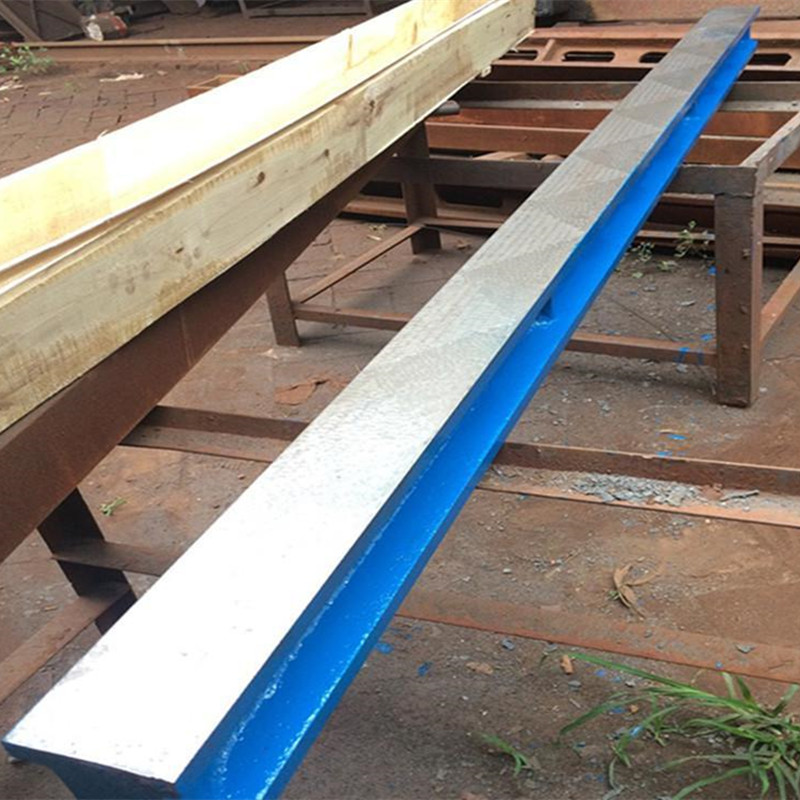
The Importance of Welding Tables in Workshop Design Welding is an essential skill in various industr
 English